Why do athletes use kinesiology tape for muscle pain in 2026? The answer is more practical than dramatic. Many runners, swimmers, and court athletes apply the elastic tape around sore calves, shoulders, or knees before training. They hope it will reduce discomfort, support movement, and increase confidence without restricting normal motion. The colorful strips also provide a visible reminder to control posture and movement.
Dr. Kenzo Kase, the chiropractor who developed Kinesio Taping, described its purpose this way: “The tape is designed to facilitate the body’s natural healing process.” That idea still influences sports-care discussions today. The tape may gently lift the skin, change sensory feedback, and help athletes notice painful movement earlier. However, it is not a guaranteed treatment. Research findings remain mixed, and pain relief can vary between individuals. Some athletes may feel better because of improved awareness, support, or expectation. That does not make the experience meaningless, but it demands careful interpretation.
Small details matter. A runner may loosen the tape after sweating. A volleyball player may remove it when itching begins. A clinician should check swelling, weakness, bruising, or persistent pain before recommending continued training. Tape cannot repair a torn muscle. It cannot replace rehabilitation, rest, strength work, or medical assessment.
The honest answer is imperfect. Athletes use kinesiology tape because it can feel supportive, convenient, and reassuring. Its benefits may be temporary. This 2026 guide examines the evidence, practical applications, and limits behind the question: Why do athletes use kinesiology tape for muscle pain?
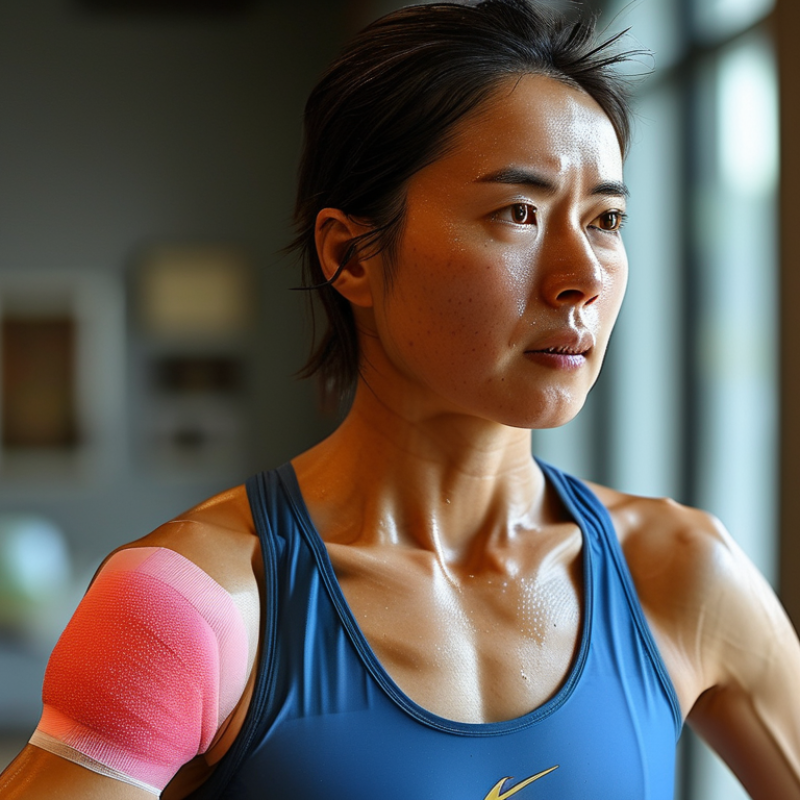
Kinesiology tape is a thin, elastic strip designed to move with the skin and muscles. Unlike rigid athletic tape, it does not lock a joint in place. It usually contains a flexible fabric and skin-friendly adhesive. The material can stretch beyond its resting length, then gently recoil during movement. It feels light, but its purpose is more subtle.
When applied around a painful or overloaded area, the tape may slightly lift the skin. This could reduce pressure on sensitive tissues and improve local sensory feedback. The nervous system receives different signals from the taped skin. That input may change how the brain interprets discomfort during running, jumping, or lifting. This is not a mechanical repair. Its effect can vary.
Evidence remains mixed. Some studies report short-term pain relief or improved movement, while others find limited clinical benefit. In practical sports care, tape works best as an additional tool, not a replacement for assessment, rehabilitation, sleep, or strength training. A trained professional should choose the direction and tension. Clean, dry skin matters. Too much tension may cause irritation, restricted movement, or discomfort. Athletes sometimes feel immediate support, although expectation can influence that experience. It is easy to overstate what tape can do. Pain may also reflect injury, fatigue, or poor training load, so persistent symptoms deserve proper medical evaluation.
Athletes apply kinesiology tape to reduce discomfort during training and competition. It gently lifts the skin and may improve sensory feedback around sore muscles. That extra awareness can help athletes adjust movement before pain becomes sharper. Some users feel support without restricting normal joint motion.
However, research remains mixed, and the tape does not repair muscle tears or serious injuries.
It is not magic.
A sports physiotherapist can assess whether pain comes from overload, strain, or another condition. Covering pain and continuing hard training can sometimes delay recovery. That mistake is easy to make.
Apply tape to clean, dry skin without lotion. Round the corners to reduce peeling. Use gentle tension, not maximum stretch. Stop immediately if burning, numbness, swelling, or a rash appears. Test a small area first. Remove the tape slowly after exercise. Never place it over an open wound.
For muscle pain, athletes often apply the tape along the tender muscle, following professional guidance. The exact direction and tension depend on the body area and symptoms. Keep movement controlled after application.
Hydration, sleep, gradual loading, and appropriate strength work still matter more than tape alone. Pain that lasts several days, worsens, or affects walking deserves medical evaluation. A small strip may improve confidence, but confidence should not replace careful judgment.
Why Athletes Use Kinesiology Tape for Muscle Pain in 2026?
Kinesiology tape is often used for minor sports injuries, including ankle sprains, calf strains, and hamstring tightness. It may provide gentle support and change how athletes feel movement. A runner with shin pain might notice less discomfort after taping. However, reduced pain does not always mean the tissue has healed. That distinction matters.
Common athletic injuries treated with kinesiology tape include patellofemoral pain, mild knee irritation, shoulder overuse, and Achilles tendon discomfort. Clinicians may also apply it around unstable ankles after swelling decreases. The tape can offer sensory feedback during walking, jumping, or lifting. It should not replace examination, rehabilitation, or rest.
Application requires careful judgment. Skin must be clean, dry, and free from open wounds. Excessive tension may cause itching, numbness, or circulation problems. A qualified physiotherapist can select the direction and tension based on the injury. Some athletes expect dramatic results within minutes. That expectation is understandable, but often unrealistic. In practice, tape works best as one small part of a wider plan involving strength exercises, mobility work, and gradual return to training. It may also fail, especially when pain comes from a serious tear, fracture, or untreated medical condition.
Kinesiology tape is commonly used as a supportive, short-term intervention for soft-tissue and joint-related sports injuries. It may help reduce perceived pain and improve movement, but it should complement—not replace—assessment, rehabilitation, and appropriate medical care.
The chart summarizes injury categories frequently reported in sports-medicine and athletic-training settings; it is not a measure of treatment effectiveness or injury prevalence in one specific sport.
Apply it to clean, dry skin without lotion or sweat. Trim body hair when necessary, but avoid irritated skin, cuts, rashes, and open wounds. Measure the strip before cutting. Round the corners to reduce early peeling. Place the first and last few centimeters without stretch. Add gentle tension across the sore muscle, never enough to wrinkle or pull sharply. Rub the tape lightly to activate its adhesive.
Tips: Test a small piece first. Wait several hours. Remove it if itching, burning, numbness, swelling, or skin discoloration appears. Do not wrap joints tightly. During removal, pull slowly in the direction of hair growth while supporting the skin. A warm shower may help. If pain changes your walking, causes weakness, or lasts several days, ask a qualified healthcare professional for an assessment. The tape may feel reassuring, but that feeling is not a diagnosis. Check the application before training, because a slightly crooked strip is usually less important than restricted circulation.
Limitations, Risks, and Evidence Behind Its Use
Kinesiology tape remains popular because it feels supportive during training. Athletes place it around sore shoulders, knees, calves, or lower backs. Some report less pain and greater confidence while moving. The tape may also remind them to change posture or reduce strain. It does not repair torn muscle. It cannot replace a proper diagnosis.
Evidence remains mixed. Several clinical reviews find short-term pain relief, but results vary between studies. Benefits may come from touch, expectation, or improved movement awareness. The tape itself may have limited mechanical influence. I have seen athletes train more comfortably with it, yet comfort can hide an injury. That mistake can delay treatment.
Skin irritation is a realistic risk. Sweat, friction, and prolonged wear may cause redness, itching, or blisters. People with sensitive skin should test a small area first. Tape should not cover an open wound, infected skin, or unexplained swelling. Poor application can also restrict movement or increase discomfort. A trained physiotherapist can assess the injury, apply tape safely, and suggest exercises. Persistent pain, weakness, numbness, or bruising needs medical evaluation. Tape is an aid, not evidence of healing.
: Kinesiology tape is a thin, elastic strip that moves with the skin and muscles. It feels light. Unlike rigid tape, it does not lock a joint.
The tape may gently lift the skin and change sensory signals from the taped area. These signals can influence how the brain interprets discomfort during movement.
It may support minor ankle sprains, calf strains, hamstring tightness, knee irritation, shoulder overuse, and Achilles tendon discomfort.
No. Reduced pain does not prove that tissue has healed. Tape cannot repair a fracture, serious tear, or untreated medical condition.
No. Evidence remains mixed. Some people report short-term relief, while others notice little change.
Skin should be clean, dry, and free from open wounds. A trained professional should select the tape’s direction and tension.
Too much tension may cause itching, numbness, restricted movement, irritation, or circulation problems. More tension is not always better.
No. Tape should support a wider plan involving assessment, strength exercises, mobility work, sleep, and gradual training. It is only one small tool.
Persistent pain, swelling, weakness, or worsening symptoms deserve proper evaluation. Feeling better after taping can sometimes hide an unresolved problem.
Kinesiology tape is a flexible, lightweight adhesive strip designed to move with the body. Athletes place it over muscles, joints, or tendons to provide gentle support while preserving a broad range of motion. By slightly lifting and stimulating the skin, it may improve body awareness, reduce the feeling of muscle tension, and offer temporary comfort during training or recovery. This explains why do athletes use kinesiology tape for muscle pain: it can be convenient, nonrestrictive, and easy to combine with rest, stretching, and rehabilitation exercises.
The tape is commonly used for discomfort related to muscle strains, overuse, minor sprains, and repetitive athletic movements. Safe application in 2026 requires clean, dry skin, moderate tension, rounded edges, and removal if itching, numbness, swelling, or skin irritation occurs. It should not be applied over open wounds or severe injuries. Although some athletes report pain relief and improved confidence, research remains mixed, and the tape does not repair damaged tissue or replace professional medical evaluation.

NuCure Medical