How Tight Should a Pressure Bandage Be for Swelling 2026?

Time:2026-09-26 Author:Madeline
0%

How tight should a pressure bandage be for swelling? It should feel supportive and gently snug, not painful or restrictive. A properly applied wrap may help limit swelling, but it should not stop blood flow or cause numbness. You should be able to slide a finger beneath the bandage without forcing it. Check the skin beyond the wrap, such as your fingers or toes, for normal color, warmth, and sensation. Small details matter. A foot that becomes pale, cold, unusually swollen, or tingly needs attention, not a tighter wrap.

The right pressure can vary with the injury, the person, and the bandage material. Follow instructions from a healthcare professional when you have them, and avoid pulling the wrap hard as you apply it. If pain increases, or you notice pins and needles, numbness, color changes, or cold skin, loosen or remove the bandage and seek medical advice. If symptoms do not improve, contact a clinician. Severe pain, major swelling, an open wound, or difficulty moving the injured area deserves prompt assessment. A wrap is not a substitute for care. I also want to be cautious: swelling has different causes, and a bandage that feels comfortable at first may become too tight as the area changes. This guide explains practical checks and safer use, while recognizing that no single pressure level is right for everyone.
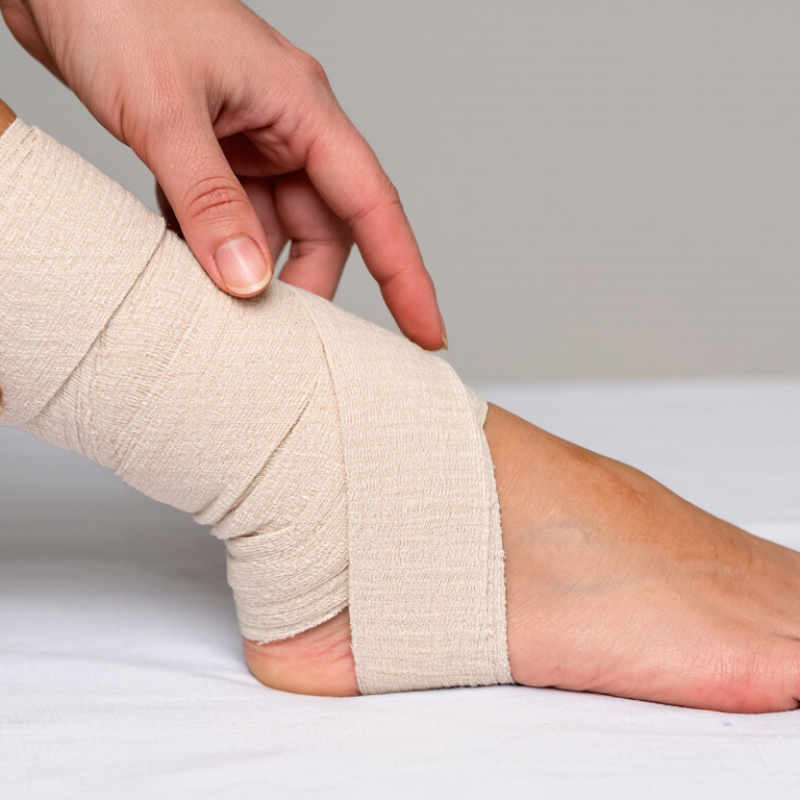
How Tight Should a Pressure Bandage Be for Swelling 2026?

Assess the Injury and Check Whether Compression Is Appropriate

Assess the Injury and Check Whether Compression Is Appropriate

Before wrapping, identify what hurts and how the injury happened. A mild ankle sprain may cause localized swelling and tenderness, while deformity, severe pain, or inability to bear weight needs prompt medical assessment. The Ottawa Ankle Rules help clinicians decide when ankle or foot X-rays may be needed. A BMJ systematic review of 15,581 patients found these rules were 97.6% sensitive for fractures. They are not a home diagnosis tool.

Compression may help manage swelling from a minor soft-tissue injury, but it is not suitable for every injury. Avoid wrapping over an open wound or suspected fracture, and seek care for major bruising, rapidly increasing swelling, or worsening pain. Be cautious if sensation or circulation is reduced.

A bandage should feel supportive, not constricting. Check the toes often: they should stay warm, normally colored, and free of tingling. Loosen the wrap if they become cold, pale, numb, or more painful.

Easy to miss. Swelling can change, so reassess the fit rather than assuming the first wrap remains safe.

Wrap the Bandage Snugly Without Restricting Circulation

How Tight Should a Pressure Bandage Be for Swelling 2026?

Wrap the bandage snugly, not tightly. It should support the swollen area without squeezing blood flow. You should be able to slide a fingertip beneath the wrap. Fingers or toes beyond it should stay warm and their usual color. Check them often.

Watch for warning signs. Tingling, numbness, increasing pain, pale or bluish skin, or cool fingers or toes can mean the wrap is too tight. Loosen it promptly, then check again. If symptoms do not improve, seek medical care. A bandage should never feel like a clamp. Swelling can change, so a wrap that felt comfortable earlier may become restrictive later.

Use even layers, overlapping each turn, and avoid pulling hard as you wrap. For an arm or leg, keep the exposed fingers or toes visible when possible. Recheck circulation after applying the bandage and whenever swelling or discomfort changes. It is easy to focus on firm support and miss a subtle color change; take a moment to compare both sides. If the injury looks severe, or pain and swelling worsen, get professional advice rather than tightening the wrap.

Check Fingers or Toes for Color, Warmth, Sensation, and Movement

A pressure bandage should feel supportive, not painfully tight. Check the fingers or toes beyond the wrap, not just the skin underneath it. Look for their usual color, and compare both sides if you can. Press a fingernail until it pales, then release; color should return promptly. Cold hands and dim lighting can make this check harder to judge. A single glance may mislead.

Check warmth, too. The exposed digits should not become unusually cold compared with the other hand or foot. Ask whether there is new tingling, numbness, or increasing pain. Can the person bend and straighten each finger or toe? Check movement gently, without forcing an injured area. Check often, especially after applying or adjusting the wrap.

If digits turn pale or blue, feel cold, become numb, or are difficult to move, loosen the outer bandage slightly while keeping any wound dressing in place. Recheck color, warmth, feeling, and movement. Do not keep tightening the wrap to control swelling. If symptoms do not improve quickly, or pain or swelling worsens, seek urgent medical care. These checks are useful, but they cannot rule out every circulation or injury problem.

How Tight Should a Pressure Bandage Be for Swelling?

A pressure bandage should feel snug, not tight. Check the fingers or toes beyond the bandage for all four signs below.

How to use this checklist: Check that color and warmth are usual, sensation is normal, and movement is comfortable. If fingers or toes become pale or blue, cold, numb or tingly, increasingly painful or swollen, or difficult to move, loosen the bandage and recheck. Seek medical advice if symptoms do not promptly improve or are severe. The bars identify checks to make; they are not a tightness scale.

Loosen the Wrap if Pain, Numbness, or Swelling Worsens

How Tight Should a Pressure Bandage Be for Swelling 2026?

A pressure bandage should feel snug, not tight enough to affect circulation. You should still be able to move your fingers or toes comfortably. Check the skin beyond the wrap: it should stay warm and retain its usual color. A little pressure is expected. Pain or pins-and-needles are not signs to ignore.

Tips: Loosen the wrap if pain, numbness, tingling, or swelling worsens. Recheck the area after adjusting it. If the wrap leaves deep marks, or the skin becomes pale, blue, cold, or increasingly uncomfortable, remove it and seek medical advice. Keep the injured area raised when practical.

Swelling can change after a bandage is applied, so check the fit regularly rather than assuming it will stay right. If symptoms do not improve after loosening the wrap, contact a healthcare professional. Severe pain, loss of sensation, or a cold, discolored hand or foot needs urgent assessment. A bandage is not a substitute for care when an injury may be serious. I’d rather loosen it and reassess than keep tightening it against worsening symptoms.

Seek Medical Care for Severe Symptoms or Persistent Swelling

A pressure bandage should feel supportive, not painful or tight enough to affect circulation. Check the skin beyond the wrap: fingers or toes should remain warm and normally colored, with usual feeling and movement. Loosen the bandage if they become cold, pale, blue, numb, or tingly. A snug wrap can feel reassuring, but that sensation alone does not show that swelling is harmless.

Seek prompt medical care for severe pain, rapidly increasing swelling, deformity, new numbness, or difficulty bearing weight. NHS guidance recommends urgent assessment for severe injury symptoms, including major swelling or inability to use the affected limb. Persistent swelling also deserves evaluation, especially if it worsens or returns after improving. Do not simply keep tightening the wrap. The CDC estimates that up to 900,000 people in the United States are affected by deep vein thrombosis or pulmonary embolism each year; one-sided leg swelling with pain, warmth, or redness needs urgent medical attention. Sudden breathlessness or chest pain is an emergency. Small details matter, and it is easy to mistake a tight bandage for effective treatment.

FAQS

When is compression appropriate for an ankle injury?

It may help manage swelling from a minor soft-tissue injury. Avoid wrapping an open wound or suspected fracture. A wrap is not a diagnosis.

Which ankle symptoms need prompt medical assessment?

Seek care for severe pain, visible deformity, or inability to bear weight. Major bruising or rapidly increasing swelling also needs attention. Don’t wait it out.

How tight should a pressure bandage feel?

It should feel supportive, not constricting. You should still move your fingers or toes comfortably. A little pressure is expected.

What should I check beyond the bandage?

Check the exposed fingers or toes for their usual color, warmth, feeling, and movement. Compare both sides if possible. Check again after wrapping.

How can I check whether color returns normally?

Press a fingernail until it pales, then release. Color should return promptly. Cold hands or dim lighting can make this harder to judge.

What should I do if my fingers or toes turn cold or numb?

Loosen the outer wrap slightly and recheck color, warmth, feeling, and movement. Keep any wound dressing in place. Don’t tighten it again to control swelling.

When should a wrap be removed or medical advice sought?

Remove it if skin becomes pale, blue, cold, or increasingly uncomfortable. Deep marks are another warning. Seek urgent care if symptoms persist or worsen.

Can these checks rule out a serious injury?

No. They can help spot warning signs, but they cannot rule out every circulation problem or injury. I might miss a subtle change, so reassess rather than assume the wrap is still safe.

Conclusion

How tight should a pressure bandage be for swelling? It should feel comfortably snug and provide gentle support, but it must not restrict blood flow or movement. Before wrapping, consider the injury and whether compression is suitable; avoid applying pressure over a suspected fracture or a wound that needs urgent care. Wrap evenly, without pulling the material as tightly as possible, and leave fingers or toes visible when practical so you can monitor them.

After wrapping, check that fingers or toes remain their usual color and warmth, with normal sensation and movement. If they become pale, blue, cool, numb, tingly, or increasingly painful, loosen the bandage and check again. Loosen it as well if swelling or discomfort worsens. Seek medical care for severe symptoms, significant injury, or swelling that persists or gets worse despite basic care.

Madeline

Madeline

Madeline is a dedicated marketing professional with a wealth of expertise in our company's core offerings. With a keen understanding of the industry, she brings a unique perspective to her role, consistently delivering high-quality content that highlights the superior aspects of our products. As......