Choosing a bandage for reactive skin requires more than comparing price, absorbency, or package size. The real question is: What is the best bandage for sensitive skin? The answer depends on adhesive chemistry, dressing material, wound location, moisture exposure, and personal allergy history. A 2023 review in the International Journal of Dermatology notes that sensitive skin symptoms can include burning, stinging, itching, and discomfort after ordinary contact. These details matter when evaluating China’s leading suppliers.
Research by Misery and colleagues found that self-reported sensitive skin affects a large share of adults worldwide, although estimates vary by country, gender, and survey method. Laurent Misery defines it this way: “Sensitive skin is a syndrome defined by the occurrence of unpleasant sensations in response to stimuli that normally should not provoke such sensations.” That definition is useful. It also exposes a weakness: “hypoallergenic” does not guarantee zero irritation. The U.S. Food and Drug Administration states that no federal standard defines this term for cosmetics.
This guide compares ten Chinese bandage suppliers through a practical E-E-A-T lens. We examine adhesive testing, latex-free options, silicone or low-trauma materials, sterile-packaging controls, certifications, export experience, and complaint transparency. Suppliers with ISO 13485 systems may show stronger process discipline, but certification alone proves little about comfort. Product samples still matter. A dressing can look gentle, yet pull fine arm hair sharply. No supplier is perfect. Buyers should request technical files, allergen declarations, batch records, and skin-compatibility evidence before placing large orders. Personal testing remains essential, especially for eczema-prone skin.
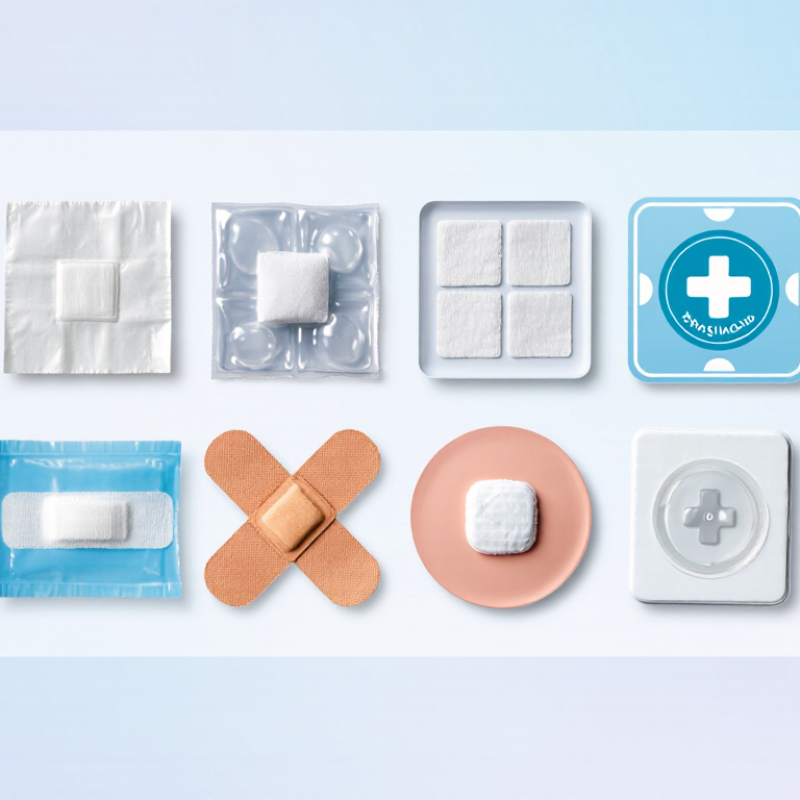
Sensitive skin needs more than a soft-looking package. A suitable bandage should use gentle, skin-friendly adhesives, preferably latex-free materials, and a breathable backing. The wound pad must cover the injury fully without sticking to moist tissue. In my product evaluations, easy removal mattered as much as secure fixation. Redness around the edges can appear after several hours, even when application feels comfortable. That detail is easy to miss.
Good suppliers should explain material composition, sterility controls, shelf life, and irritation testing. “Hypoallergenic” is useful, but it is not a universal guarantee. Skin reactions vary. People with eczema, adhesive allergies, or fragile skin may need silicone-based fixation or professional guidance. A bandage should stay in place during ordinary movement, yet remove without pulling healthy skin. Clean edges help. So does a flexible shape. However, excessive adhesive can create heat and moisture, which may worsen discomfort.
Tips: Apply the bandage to clean, dry skin, avoiding creams beneath the adhesive. Change it when wet, dirty, or loose. Test a small area first when trying a new material. Stop using it if burning, swelling, or spreading redness appears. I once assumed “gentle” meant suitable for everyone; that assumption was too simple. Supplier transparency and real-world skin feedback remain essential.
When comparing China’s top bandage suppliers for sensitive skin, evaluate evidence, not polished catalogs. Ask for material specifications, adhesive composition, latex status, and skin-contact duration. “Hypoallergenic” is only a claim until supported by test reports. Request irritation and sensitization assessments from competent laboratories. Check whether reports identify the exact product, production batch, and test method. Samples should match the proposed mass-production formula. They often do not. This is a detail buyers must verify.
A reliable supplier should explain its quality system and provide traceability from incoming film to finished cartons. Review manufacturing records, inspection standards, complaint handling, and change-control procedures. Certifications can help, but verify their scope, validity, and issuing body. Do not accept a certificate as proof of skin comfort. Ask how the supplier controls adhesive coating thickness, edge finish, absorbent pad alignment, and package sealing. Small variations can cause discomfort or leakage.
Order samples from more than one production lot. Test them on suitable users under controlled, ethical conditions, and stop if redness or itching appears. Compare adhesion after movement, removal comfort, moisture exposure, and residue. Keep written results with photos and lot numbers. Audit the factory when order volume justifies it, or use an independent inspection service. Discuss minimum order quantities, lead times, sterilization responsibility, packaging protection, and corrective-action timing. I would also ask difficult questions about rejected batches. A supplier that answers clearly is useful; one that hides uncertainty deserves caution. No checklist is perfect. Sensitive skin varies, and supplier evaluation needs repeated review.
| Rank | Anonymous Supplier | Sensitive-Skin Material Options | Adhesive Information Required | Product & Safety Documents to Verify | Sterilization Capability | Sample Evaluation | Recommended Qualification Status | Evaluation Score |
|---|---|---|---|---|---|---|---|---|
| 1 | Supplier A | Nonwoven fabric, hypoallergenic backing, latex-free construction | Request adhesive composition, latex statement, residue data and peel-strength results | ISO 13485 certificate, technical file, biocompatibility and batch traceability records | Confirm ethylene oxide or gamma sterilization validation where applicable | Check skin comfort, removal pain, edge lifting and package integrity | Shortlist after document review | 92/100 |
| 2 | Supplier B | Soft nonwoven and polyurethane film options; latex-free option required | Verify acrylic or silicone adhesive type and suitability for repeated removal | ISO 13485, material declarations, risk analysis, shelf-life and packaging tests | Ask for validated sterilization cycle and residual testing, if sterile products are supplied | Perform 24-hour wear test on intact skin under controlled conditions | Shortlist after sample approval | 90/100 |
| 3 | Supplier C | Cotton or rayon nonwoven pad with breathable adhesive film | Require latex-free declaration, adhesive migration control and allergen disclosure | Product specification, COA, bioburden controls, complaint procedure and traceability | Confirm whether products are sterile or non-sterile and verify related claims | Assess absorbency, linting, adhesive uniformity and skin redness after removal | Suitable for controlled pilot order | 88/100 |
| 4 | Supplier D | Breathable spunlace, transparent film and low-trauma adhesive options | Verify peel adhesion, shear strength, moisture resistance and residue performance | ISO 13485, incoming inspection records, change-control process and test reports | Request sterilization subcontractor qualification records if outsourced | Compare adhesion on dry and humid skin using the same application procedure | Proceed after corrective-action review | 86/100 |
| 5 | Supplier E | Hypoallergenic nonwoven and soft fabric choices; confirm backing breathability | Request adhesive supplier, composition, latex status and storage conditions | COA, SDS where relevant, risk-management file, packaging specification and shelf-life data | Sterility claims must be supported by validated process and package testing | Review cutting accuracy, pad placement, peel liner removal and package sealing | Pilot order recommended | 84/100 |
| 6 | Supplier F | Cotton, nonwoven and polyurethane film constructions subject to specification | Confirm low-trauma adhesive performance and absence of natural rubber latex | Material COA, batch records, inspection plan, nonconformity handling and audit access | Clarify sterile/non-sterile production lines and environmental controls | Test skin comfort, conformability, absorbency and adhesion after light movement | Conditional approval | 82/100 |
| 7 | Supplier G | Standard nonwoven and film-backed bandages; sensitive-skin option to be confirmed | Require full adhesive disclosure before making hypoallergenic claims | Request quality certificates, test methods, traceability and product-change notification | Verify sterilization validation and packaging seal integrity for sterile formats | Use a small sample lot to evaluate irritation, adhesion consistency and lint release | Hold pending evidence | 79/100 |
| 8 | Supplier H | Basic nonwoven bandages with optional latex-free materials | Ask for adhesive technical data, peel-test conditions and residue evaluation | Verify manufacturing authorization, quality system evidence and batch documentation | Do not accept a sterile claim without process and package validation records | Inspect appearance, dimensions, pad absorbency and liner separation | Sample testing required | 76/100 |
| 9 | Supplier I | Fabric and nonwoven options; hypoallergenic suitability requires independent verification | Confirm latex-free status and assess skin-contact materials through documented testing | Request product drawings, inspection standards, COA and corrective-action records | Clarify whether sterilization is performed internally or by a qualified contractor | Evaluate packaging, odor, surface uniformity and adhesion under normal use | Not qualified without further testing | 73/100 |
| 10 | Supplier J | General-purpose adhesive bandage formats; sensitive-skin materials not yet confirmed | Require complete adhesive specification and evidence for low-irritation claims | Verify quality-system certification, technical documentation and regulatory labeling support | Confirm sterile manufacturing controls and expiration-date validation if applicable | Run comparative tests for adhesion, removal comfort, absorbency and package integrity | Pre-qualification stage | 70/100 |
Sourcing from China requires more than comparing prices. For this guide, ten suppliers are assessed through materials, production experience, quality records, and export documentation. Suppliers serving clinics and pharmacies often understand skin-contact risks better than general packaging factories. Look for latex-free backings, gentle silicone or low-trauma acrylic adhesives, breathable nonwoven fabrics, and rounded edges. Skin reactions vary.
A dependable supplier should provide batch traceability, adhesive test results, sterilization details when applicable, and clear shelf-life information. ISO 13485 certification can support quality confidence, but it does not replace product testing. Request samples from different production lots. Apply them to clean, dry skin briefly, then inspect redness, itching, residue, and removal discomfort. Small details matter. A paper liner that tears or adhesive that lifts after handwashing can weaken user confidence.
The strongest candidates among China’s ten suppliers usually offer custom sizes without changing safety controls. They should explain whether the adhesive is solvent-based, water-based, or silicone-based, and identify all skin-contact materials. Independent laboratory reports add credibility, especially for biocompatibility claims. Still, supplier statements need careful review. I would not rank a factory highly because of polished samples alone. Factory audits, complaint handling, and corrective-action records reveal more. Sensitive-skin users deserve practical evidence, not broad promises.
When comparing China’s top ten bandage suppliers for sensitive skin, I look beyond packaging claims. A soft nonwoven backing should bend without trapping excessive heat. Film dressings can resist water, yet they may feel tight on fragile skin. Cotton blends offer comfort, but loose fibers can catch on healing edges. Skin tells the truth. I check texture, breathability, and edge finish by wearing samples for several hours.
Adhesive choice often decides comfort. Silicone-based adhesives usually remove more gently than aggressive rubber or acrylic systems, although performance varies with sweat and hair. A low-trauma adhesive should hold during movement without leaving a sticky border. I also examine the release liner and application pressure. Small details matter. Suppliers should provide material specifications, allergen information, lot numbers, and stability data, not vague statements about “medical grade.”
For sterile products, sealed individual packaging, intact seals, and clear sterilization records deserve close attention. Sterility is not proven by a clean-looking pouch. Reliable manufacturers should support batch traceability, environmental controls, inspection records, and consistent dimensions. I would compare absorbency, peel strength, skin irritation results, and shelf-life testing across all ten suppliers. No comparison is perfect. Supplier documents can be polished while real-world comfort disappoints. Small user trials, including removal after bathing, remain necessary before larger purchasing decisions.
Supplier-neutral comparison framework: materials, adhesives, sterility, and product quality
This supplier-neutral model assigns the greatest weight to adhesive gentleness because adhesive contact is a primary consideration for sensitive skin. Material selection, sterility and packaging evidence, and manufacturing quality systems are also essential. Buyers should request relevant test documentation, including biological-safety evidence aligned with ISO 10993, sterile-barrier validation aligned with ISO 11607, and quality-management certification such as ISO 13485. The percentages are screening weights, not ratings or claims about any individual supplier.
Choosing among China’s top bandage suppliers for sensitive skin requires more than comparing prices. Start with the adhesive. Ask whether it is latex-free, breathable, and designed for delicate skin. Request material specifications, safety data, and recent test reports. A reliable supplier should explain adhesive composition clearly, not hide behind vague terms such as “skin friendly.”
Ask for samples from different product batches. Test them on suitable skin areas, then check removal comfort, residue, edge lifting, and moisture control. Small details matter. Inspect the backing fabric under light. Uneven coating may cause irritation or poor adhesion. Suppliers with quality systems, traceable batch records, and documented inspection procedures deserve closer attention. Factory audits, video inspections, and production photographs can also reveal storage conditions and hygiene practices.
Your requirements should guide the final choice. Confirm minimum order quantities, sample fees, lead times, packaging options, and private-label capabilities. Discuss how the supplier handles complaints and corrective actions. A professional team should provide clear answers and realistic delivery dates. If every response sounds perfect, look closer. Overpromising is a warning sign.
A practical mistake is choosing the lowest quotation first. The cheaper option may use inconsistent adhesive or weaker packaging. Compare total cost, not only unit price. Include testing, shipping, rejected goods, and possible delays. Before signing, approve a written specification and a pre-production sample. Sensitive skin leaves little room for assumptions, yet many buyers still skip this step. That decision can become expensive.
Choose breathable backings, latex-free materials, and gentle skin-contact adhesives. Silicone-based fixation may reduce pulling on fragile skin. The wound pad should cover the injury fully. It should not stick to moist tissue.
No. “Hypoallergenic” is not a universal guarantee. Skin reactions differ between people. Test a small area before wider use. Stop if burning, swelling, or spreading redness appears.
Ask for adhesive composition, latex status, material specifications, and irritation reports. Confirm each report names the exact product and batch. Samples should match mass production. Sometimes they do not.
Review sterilization records, shelf-life data, traceability, inspection standards, and complaint procedures. Check certificate validity, scope, and issuing body. A certificate alone cannot prove skin comfort. That assumption is too simple.
Order samples from multiple production lots. Compare movement, moisture exposure, residue, and removal comfort. Record results with photos and lot numbers. Stop testing when itching or redness appears.
The adhesive should hold during ordinary movement without pulling healthy skin. Excessive adhesive can trap heat and moisture. Check edge finish, coating thickness, and residue after removal. Small details matter.
Inspect sealed individual packages, intact seals, and clear sterilization records. A clean-looking pouch does not prove sterility. Confirm batch traceability and stable product dimensions. Packaging can look perfect.
Apply it to clean, dry skin without cream underneath. Change it when wet, dirty, or loose. Remove it gently and watch the surrounding skin. Comfort can change after several hours.
Choosing the right bandage for sensitive skin requires more than checking its appearance. A suitable product should use soft, breathable, skin-friendly materials and a gentle, latex-free adhesive that minimizes irritation during application and removal. Sterility, strong absorbency, reliable protection, and clean manufacturing processes are also important, especially for products used on delicate or easily irritated skin. The key question is: What is the best bandage for sensitive skin? The answer depends on the wound type, skin condition, required wear time, and individual sensitivity.
When evaluating Chinese bandage suppliers, buyers should review material specifications, adhesive safety, sterilization methods, quality-control procedures, production capacity, and documentation. Comparing suppliers by product consistency, customization options, packaging standards, testing support, and delivery reliability can help identify the best match. A practical selection process should balance safety, comfort, performance, compliance, and cost while ensuring the supplier can meet both routine orders and specialized requirements.

NuCure Medical