China Best Waterproof Wound Dressing How to Shower?

Time:2026-10-11 Author:Sophia
0%

Choosing the China best waterproof wound dressing requires more than trusting the word “waterproof.” A good dressing should protect the wound, remain comfortable, and stay sealed around the edges. It should also match the wound’s size, location, and drainage level. Medical guidance recommends keeping a healing wound clean and avoiding unnecessary soaking. Therefore, a waterproof cover can support showering, but it cannot replace proper wound care.

The key question is simple: How to shower with a waterproof wound dressing without loosening it? Check the seal before entering the shower. Press the edges gently with clean, dry fingers. Use warm water, not hot water, and let it flow over the dressing briefly. Do not scrub the covered area. Keep the shower short. A handheld showerhead makes control easier, especially when the wound is on an arm, leg, or shoulder. Afterward, pat the dressing dry with a clean towel.

Still, no dressing is perfect. Steam, movement, body hair, and oily skin can weaken the adhesive. If water reaches the wound, replace the dressing according to professional instructions. Watch for increasing redness, swelling, warmth, pus, worsening pain, or fever. Seek medical advice when these signs appear. Product quality also matters. Look for clear instructions, sterile packaging, skin-friendly adhesive, and appropriate medical certification. A practical choice should protect the wound without creating false confidence. The best result comes from matching the dressing to the wound and using it carefully.
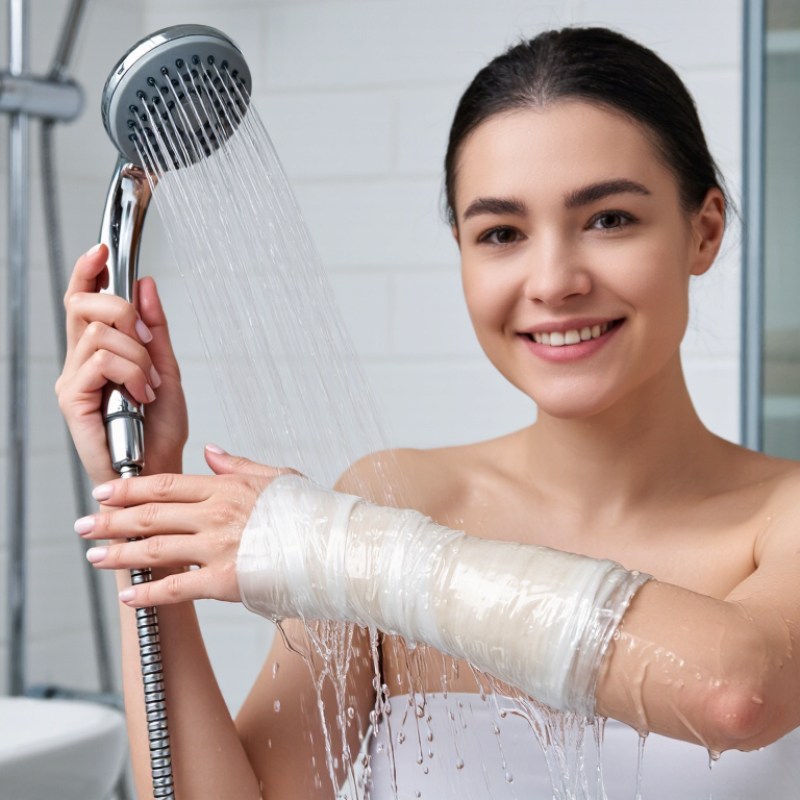
China Best Waterproof Wound Dressing How to Shower?

Choosing the Best Waterproof Wound Dressing in China

Choosing the Best Waterproof Wound Dressing in China

Choosing a waterproof wound dressing in China requires more than checking the word “waterproof.” The dressing should seal smoothly, resist shower water, and protect the wound without trapping excessive moisture. Grand View Research estimated the global wound dressing market at about USD 8.6 billion in 2023, with continued growth through 2030. This expansion reflects stronger demand for advanced, comfortable wound care products.

For showering, select a sterile dressing with a transparent waterproof film and skin-friendly adhesive. Clean, dry skin helps the edges stay sealed. Keep the shower brief, and avoid directing hot water onto the wound. Afterward, check for lifted corners, leaking, redness, swelling, or unusual pain. A loose dressing is no longer reliable. It should be replaced according to clinical instructions, not simply pressed down again. In China, buyers should verify NMPA registration and review manufacturing quality documentation, such as ISO 13485 certification. Certification helps, but it does not replace clinical judgment.

Tips: Measure the wound before purchasing. Leave a clean margin around it. Do not stretch the film tightly. That can irritate skin. If water enters, change the dressing promptly. I still find this step easy to underestimate. Deep, infected, or heavily draining wounds need professional assessment before showering.

Preparing the Wound and Dressing Before Showering

China Best Waterproof Wound Dressing: How to Shower?

Preparing the wound and dressing before showering helps reduce contamination and skin damage. Wash your hands with soap for at least 20 seconds. Prepare a clean towel, mild soap, and fresh dressing nearby. Check the dressing edges carefully. They should lie flat, without wrinkles, gaps, or lifted corners. A waterproof dressing is not a permanent seal.

Keep the shower brief and use warm, not hot, water. Let water run over the dressing gently. Do not aim a strong spray directly at the wound. Avoid bathing, swimming, and soaking unless a clinician allows it. The World Health Organization reports surgical-site infection rates of about 7% in high-income countries and 11% in low- and middle-income countries. Good preparation supports, but never replaces, clinical care.

After showering, pat the surrounding skin dry with a clean towel. Do not rub the dressing. Inspect for moisture, leakage, redness, swelling, or unusual pain. Replace the dressing if it becomes wet, loose, dirty, or damaged, following professional instructions. One common mistake is trusting a dressing simply because it looks intact. The seal may fail under the edge. That assumption deserves questioning. Contact a healthcare professional if drainage increases, fever develops, or the wound opens.

Preparing a Waterproof Wound Dressing Before Showering

A practical pre-shower checklist for protecting the wound dressing and keeping the surrounding skin dry.

How to use this checklist: Confirm that the dressing is firmly sealed, cover any exposed edges if needed, keep the shower brief, and avoid directing strong water pressure at the wound. After showering, gently pat the area dry. Replace the dressing if it becomes wet, loose, damaged, or contaminated, and follow your clinician’s instructions.

The chart shows a practical preparation sequence in minutes, not a medical limit. Showering may not be appropriate for every wound or dressing.

How to Shower Safely While Wearing a Waterproof Dressing

China Best Waterproof Wound Dressing: How to Shower Safely

A waterproof wound dressing can make showering easier, but it is not completely foolproof. Check the edges before entering the bathroom. The film should lie flat, without wrinkles, gaps, or lifted corners. Use warm water, not hot water. Aim the shower away from the wound. Let clean water run gently over the dressing.

Keep the shower brief. Do not scrub, rub, or apply soap directly over the dressing. Cochrane researchers reviewed two trials involving 857 surgical patients. They found no clear infection difference between early showering and keeping wounds dry, but the evidence quality was low. This means careful dressing protection still matters.

Avoid baths, swimming pools, and hot tubs unless a clinician approves them. Soaking creates longer moisture exposure and may loosen the adhesive.

After showering, pat the dressing dry with a clean towel. Do not drag the towel across the film. Look for cloudy fluid, leakage, redness, warmth, increasing pain, or a bad smell. The International Wound Infection Institute stresses that worsening local changes require clinical assessment, not guesswork.

If water enters under the dressing, replace it according to clinical instructions. In practice, the corner near a joint often lifts first. I would check that area twice.

A waterproof label does not guarantee protection after movement, sweating, or repeated showers.

Drying the Dressing and Inspecting the Wound After Showering

China Best Waterproof Wound Dressing: How to Shower?

A waterproof wound dressing can protect the wound during a brief shower. Follow your healthcare professional’s instructions, especially after surgery or deep injury. Keep the water warm, not hot, and avoid directing strong spray at the dressing. Do not soak in a bath or swimming pool unless medical staff approve it. A short shower is safer.

Dry the dressing carefully afterward. Pat the surrounding skin with a clean, soft towel. Do not rub, peel, or press hard on the film. Let the skin air-dry for a few minutes. Avoid hair dryers, heaters, and powders near the wound. Heat can irritate the skin, while trapped moisture may weaken the adhesive.

Then inspect the dressing in good light. Check whether the edges remain sealed. Look for water beneath the film, leakage, unusual odor, or loose corners. The wound should not develop spreading redness, increasing swelling, pus, severe pain, or warmth. These signs need prompt medical advice. A little moisture under the dressing may occur, but pooled water is different. One easy mistake is assuming “waterproof” means permanently secure. It does not. If the dressing becomes soaked, dirty, or loose, replace it only as directed, using clean hands and fresh medical supplies.

When to Replace the Dressing or Seek Medical Advice

A waterproof wound dressing can make showering easier, but it is not designed to stay on forever. Before entering the shower, check that every edge is firmly sealed. Keep the water lukewarm and avoid directing strong spray at the wound. Do not soak in a bath, pool, or hot tub unless a healthcare professional allows it. Afterward, gently pat the dressing and surrounding skin dry. Do not rub.

Replace the dressing when it becomes wet underneath, loose, visibly dirty, or damaged. A cloudy pocket of moisture, lifting corners, or a new smell also needs attention. Follow the replacement schedule given by your clinician, because different wounds heal at different speeds. If the dressing sticks, dampen it with clean water before removal. Pulling it away quickly can reopen fragile skin. This is easy to underestimate.

Seek medical advice if redness spreads, swelling increases, pain worsens, or yellow-green drainage appears. Contact a healthcare professional promptly for fever, red streaks, persistent bleeding, numbness, or wound separation. An itchy rash may indicate sensitivity to the adhesive. Stop using that dressing and ask about alternatives. If you are unsure whether the wound looks normal, send a clear photograph to your healthcare provider or arrange an examination. Guessing is not always safe.

FAQS

What should I check when choosing a waterproof wound dressing in China?

Choose a sterile dressing with transparent waterproof film and skin-friendly adhesive. Check NMPA registration and manufacturing quality documents. Certification supports review, but clinical judgment still matters.

Can I shower while wearing a waterproof wound dressing?

Usually, a brief shower is possible. Use warm water, not hot water. Keep strong spray away from the dressing. Follow medical instructions after surgery or deep injury.

How can I help the dressing stay sealed?

Clean and dry the surrounding skin first. Measure the wound and leave a clean margin around it. Apply the film without stretching it tightly. Tight film may irritate skin.

Can I bathe or swim with the dressing on?

Do not soak in a bath or swimming pool unless medical staff approve it. A short shower is generally safer. Water exposure is not always predictable.

How should I dry the dressing after showering?

Pat the nearby skin with a clean, soft towel. Do not rub, peel, or press hard. Let the area air-dry for a few minutes. Avoid heaters and hair dryers.

What should I inspect after showering?

Check the edges in good light. Look for lifted corners, leakage, or water beneath the film. Also watch for redness, swelling, warmth, unusual odor, or increasing pain.

Is a little moisture beneath the film always dangerous?

Not necessarily. A small amount may occur. Pooled water is different. If the dressing becomes soaked, dirty, or loose, replace it as directed.

When should I seek professional wound advice?

Deep, infected, or heavily draining wounds need assessment before showering. Spreading redness, pus, severe pain, warmth, or increasing swelling requires prompt medical advice. I might underestimate these signs, but waiting can be unwise.

Conclusion

Choosing the best waterproof wound dressing in China starts with selecting a clean, breathable, skin-friendly option that fully covers the wound and seals the surrounding area. Before showering, wash your hands, check that the dressing is firmly attached, and gently reinforce any loose edges. Understanding how to shower with a waterproof wound dressing helps protect the wound from unnecessary moisture and friction. Use warm water, keep the shower brief, and avoid directing strong water pressure onto the covered area. Do not scrub, soak, or pull at the dressing.

After showering, gently pat the dressing dry with a clean towel and inspect it for lifting, leakage, or trapped moisture. Replace the dressing if it becomes wet inside, damaged, dirty, or detached, following proper wound-care instructions. Seek medical advice if you notice increasing redness, swelling, warmth, severe pain, unusual discharge, fever, or delayed healing.

Sophia

Sophia

Sophia is a dedicated marketing professional with an exceptional depth of knowledge about her company's products and services. With a keen understanding of market trends and customer needs, she crafts insightful blog posts that not only inform but also engage readers, enriching the company’s online......